
Introduction
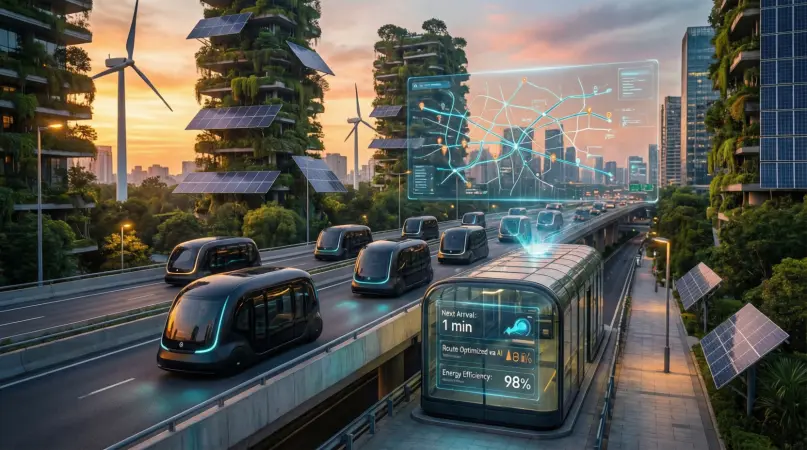
Transportation shapes how people live, work, and connect with each other. As cities grow and technology advances, traditional transport systems struggle to meet modern needs. Traffic congestion, air pollution, rising fuel costs, and safety concerns affect millions of people every day. Future mobility technology offers new ways to solve these problems and improve daily travel experiences.
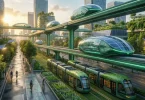
At its core, future mobility technology focuses on smarter, cleaner, and more flexible transportation. It combines digital tools, advanced vehicles, and connected infrastructure to move people and goods more efficiently. Electric vehicles, shared mobility services, and intelligent traffic systems are no longer ideas of the future. They are already becoming part of everyday life in many places.
The demand for better mobility is increasing. People want faster journeys, lower costs, and environmentally friendly options. Businesses need reliable logistics, while governments aim to reduce emissions and improve public safety. Smart mobility systems bring these goals together through innovation and planning.
This article explains future mobility technology in simple and clear language. It is designed for beginners and intermediate readers who want to understand how transportation is changing. You will learn what it is, why it matters, how it works step by step, and what benefits and risks it brings. By the end, you will have a clear picture of how tomorrow’s transportation systems are taking shape.
What is Future Mobility Technology?
Future mobility technology refers to modern transportation solutions that use advanced technology to improve movement. It blends physical transport systems with digital platforms, clean energy, and data-driven decision-making. The goal is to create transportation that is efficient, safe, and sustainable.
This concept covers a wide range of innovations. Electric and hybrid vehicles reduce dependence on fossil fuels. Autonomous and assisted driving systems use sensors and software to improve safety. Shared mobility services allow users to access transport without owning a vehicle. Smart infrastructure connects roads, vehicles, and traffic management systems.
Unlike traditional transport, this approach focuses on connectivity and flexibility. Instead of fixed routes and schedules, systems adapt to real-time demand. For example, apps can suggest the fastest route based on traffic or combine different transport options into one journey.
In simple terms, it creates an intelligent transport ecosystem where vehicles, infrastructure, and users communicate. This connection helps reduce delays, lower emissions, and make travel more convenient for everyone.
Why is Future Mobility Technology Important?
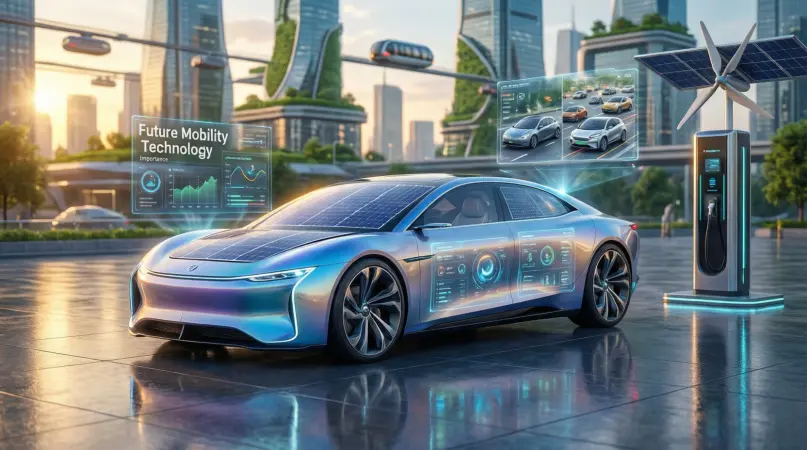
Transportation plays a major role in economic growth, social inclusion, and environmental health. Future mobility technology is important because it addresses challenges that older systems cannot solve alone.
One major reason is environmental protection. Road transport is a major source of air pollution and emissions. By promoting electric vehicles and efficient routing, smart mobility systems help improve air quality.
Safety is another key factor. Most accidents are caused by human error. Advanced driver assistance, smart traffic control, and better data reduce risks and save lives.
Efficiency also matters. Congestion wastes time and fuel. Intelligent planning improves traffic flow and lowers travel stress. Finally, inclusive transport options support people who cannot drive, improving access and quality of life.
Detailed Step-by-Step Guide
Step 1: Vehicle Electrification
Electric vehicles form the foundation of modern mobility. They use batteries instead of fuel engines, producing less noise and pollution.
Key points include:
- Electric cars, buses, and two-wheelers
- Charging stations at homes and public areas
- Lower long-term operating costs
As battery technology improves, electric transport becomes more practical and affordable.
Step 2: Smart and Connected Infrastructure
Smart roads and signals collect real-time data. Sensors detect congestion, accidents, and weather changes.
Important elements include:
- Adaptive traffic lights
- Road condition sensors
- Digital guidance signs
This data-driven approach improves traffic management and safety.
Step 3: Autonomous and Assisted Driving
Automation supports drivers and reduces errors. While full autonomy is still developing, assisted systems are already common.
Examples include:
- Adaptive cruise control
- Lane-keeping assistance
- Automated parking
These features increase comfort and reduce accident risks.
Step 4: Shared and On-Demand Mobility
Shared mobility focuses on access rather than ownership.
Common services include:
- Ride-sharing platforms
- Bike and scooter sharing
- Short-term car sharing
These options lower costs and reduce congestion.
Step 5: Integrated Mobility Platforms
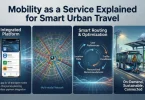
Integrated systems allow users to plan, book, and pay for trips in one place.
Features include:
- Real-time route planning
- Digital payments
- Personalized suggestions
This makes travel smooth and user-friendly.
Step 6: Sustainable Urban Planning
Urban design supports mobility by reducing travel distances.
Key actions include:
- Mixed-use neighborhoods
- Safe walking and cycling paths
- Transport aligned with housing
This approach strengthens long-term sustainability.
Benefits of Future Mobility Technology
- Reduced air pollution and emissions
- Improved road safety
- Lower long-term travel costs
- Better traffic flow
- Increased accessibility
- Smarter urban planning
- Economic growth and innovation
These benefits support healthier and more livable cities.
Disadvantages and Risks
- High initial infrastructure costs
- Data privacy concerns
- Technical failures
- Job shifts in traditional transport
- Uneven access between regions
Proper planning and regulation help manage these risks.
Common Mistakes to Avoid
Focusing only on technology while ignoring user needs is a common mistake. Poor data protection reduces trust. Lack of cooperation between stakeholders slows progress. Ignoring maintenance and training leads to system failure. Learning from pilot projects helps avoid costly errors.
FAQs
What is the main goal of future mobility technology?
To create safer, cleaner, and more efficient transport systems.
How does it affect daily commuters?
It reduces travel time, improves safety, and offers flexible options.
Are electric vehicles essential?
Yes, they play a key role in reducing emissions.
Will traffic congestion disappear?
Not completely, but it can be significantly reduced.
Is it suitable for small cities?
Yes, scalable solutions work for all city sizes.
How can individuals prepare?
By staying informed and adapting travel habits.
Expert Tips & Bonus Points
Start with small pilot projects. Set clear goals and measure progress. Invest in data security and user education. Encourage public feedback. Focus on integration rather than isolated solutions.
Conclusion
Future mobility technology is redefining transportation for a changing world. By combining clean energy, smart systems, and digital platforms, it offers solutions to long-standing problems. Cleaner air, safer roads, and smoother journeys are achievable through thoughtful innovation.
Although challenges exist, careful planning and cooperation can overcome them. Smart mobility systems support sustainable growth and improve quality of life. Understanding these changes helps people and communities prepare for what lies ahead.