
Introduction
Green transportation technology is changing how people and goods move from one place to another. As cities grow and fuel costs rise, many countries are searching for cleaner and smarter transport solutions. This is where green transportation technology becomes important. It focuses on reducing pollution, saving energy, and protecting the environment while keeping travel safe and efficient.
In simple words, it means using modern methods and systems that cause less harm to nature. These technologies support electric vehicles, clean fuels, smart traffic systems, and shared mobility options. As a result, air quality improves and carbon emissions drop. This helps fight climate change and creates healthier cities.
For beginners, the idea may sound technical, but it is easy to understand when broken down step by step. You already see examples around you, such as electric buses, cycling lanes, and carpooling apps. Governments and businesses are investing heavily in these solutions to build a sustainable future.
This article explains everything in clear and simple English. You will learn what green transportation technology is, why it matters, how it works, and what benefits it offers. We will also cover risks, common mistakes, expert tips, and frequently asked questions. By the end, you will have a strong understanding of this important topic and why it matters for everyday life.
What is Green Transportation Technology?
Green transportation technology refers to transport systems and tools designed to reduce environmental impact. Its main goal is to lower greenhouse gas emissions, cut fuel consumption, and support sustainable travel.
This technology includes electric vehicles, hybrid cars, hydrogen fuel systems, and public transport powered by clean energy. It also covers smart traffic management, eco-friendly infrastructure, and shared mobility platforms.
Another key part is energy efficiency. Vehicles and systems are designed to use less power while delivering better performance. For example, regenerative braking saves energy instead of wasting it.
In short, green transportation technology combines clean energy, smart planning, and modern innovation. It helps create transport systems that are better for people, cities, and the planet.
Why is Green Transportation Technology Important?
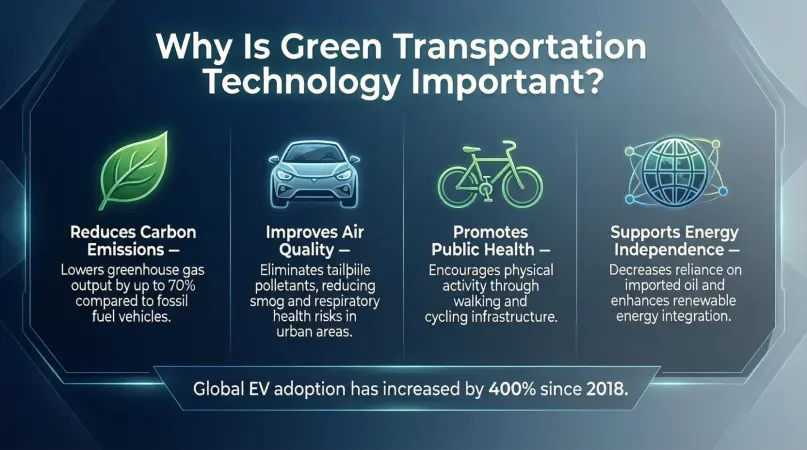
Transportation is one of the biggest sources of pollution worldwide. Traditional vehicles burn fossil fuels, which release harmful gases into the air. These gases cause climate change and health problems.
Green transportation technology helps solve this issue by offering cleaner alternatives. It reduces air pollution and noise while improving fuel efficiency. This makes cities more livable and healthier.
Another reason is energy security. Many countries depend on imported oil. Clean transport reduces this dependence by using renewable energy sources like solar and wind power.
Finally, it supports long-term economic growth. New industries, jobs, and innovations emerge as green transport systems expand. This creates a balanced approach between development and environmental care.
Detailed Step-by-Step Guide
Step 1: Understanding Transportation Needs
The first step is to study travel patterns. Cities and businesses must know how people move daily. This helps identify areas where clean solutions are most needed.
Data collection plays a big role here. Traffic flow, fuel usage, and pollution levels are analyzed. Based on this information, better decisions can be made.
Step 2: Choosing Clean Energy Options
Next, clean energy sources are selected. These may include electricity, hydrogen, or biofuels. The choice depends on availability, cost, and infrastructure.
Electric power is the most common option today. Charging stations and power grids are planned carefully to support growth.
Step 3: Developing Eco-Friendly Vehicles
Manufacturers design vehicles that consume less energy and produce fewer emissions. Lightweight materials and aerodynamic shapes improve efficiency.
Examples include electric cars, hybrid buses, and fuel cell trucks. These vehicles are tested to meet safety and performance standards.
Step 4: Building Smart Infrastructure
Infrastructure supports green transport systems. This includes charging stations, dedicated bus lanes, and cycling paths.
Smart traffic lights and sensors reduce congestion. As a result, vehicles spend less time idling, which saves energy.
Step 5: Encouraging Public and Shared Transport
Public transport plays a major role in sustainability. Electric trains and buses carry many passengers at once, reducing the number of private cars.
Shared mobility services like carpooling and bike sharing also reduce traffic and emissions.
Step 6: Policy Support and Incentives
Governments introduce policies to promote adoption. These may include tax benefits, subsidies, and fuel efficiency standards.
Clear rules and long-term planning help businesses and consumers switch to green options confidently.
Benefits of Green Transportation Technology
- Reduces air pollution and greenhouse gas emissions
- Saves fuel and lowers energy costs
- Improves public health and air quality
- Supports renewable energy use
- Reduces traffic congestion
- Creates new jobs and industries
- Encourages smarter urban planning
- Lowers noise pollution
Disadvantages / Risks
- High initial investment costs
- Limited charging or fueling infrastructure
- Technology maintenance challenges
- Battery disposal and recycling issues
- Slow adoption in developing regions
- Dependence on stable power supply
Common Mistakes to Avoid
Many projects fail due to poor planning. One common mistake is ignoring local needs. Solutions must match real travel patterns.
Another error is underestimating infrastructure requirements. Without enough charging points, electric vehicles become inconvenient.
Some also focus only on vehicles and ignore public transport. A balanced approach is always better.
Finally, lack of public awareness can slow adoption. Education and communication are essential for success.
FAQs
What makes transportation “green”?
Green transportation uses clean energy and efficient systems to reduce environmental harm. It focuses on lower emissions and better resource use.
Are electric vehicles part of green transportation?
Yes, electric vehicles are a major part because they produce zero tailpipe emissions and use electricity instead of fuel.
Is green transportation expensive?
Initial costs can be high, but long-term savings on fuel and maintenance make it cost-effective over time.
Can developing countries adopt these technologies?
Yes, with proper planning and support. Many solutions like public transport upgrades are affordable and scalable.
Does green transportation reduce traffic?
Yes, especially when combined with public and shared transport systems that reduce private car use.
How does it help the environment?
It lowers pollution, reduces carbon emissions, and supports cleaner air and sustainable energy use.
Expert Tips & Bonus Points
Start with small pilot projects before large investments. This helps test ideas and reduce risk.
Focus on public transport first, as it delivers faster environmental benefits.
Encourage partnerships between governments and private companies for funding and innovation.
Always plan for future growth. Scalable systems save money and effort later.
Educate users about benefits and proper usage to improve acceptance.
Conclusion
Green transportation technology is not just a trend. It is a practical solution to modern transportation challenges. As cities grow and environmental concerns rise, cleaner transport systems become essential. They help reduce pollution, save energy, and improve quality of life.
By using electric vehicles, smart infrastructure, and shared mobility, societies can move toward sustainability. While challenges exist, proper planning and policy support can overcome them. The long-term benefits clearly outweigh the risks.