
Introduction
The world of transportation is changing faster than ever before. New technologies are shaping how people travel, work, and live. One of the most talked about changes today is the autonomous vehicles future. This concept is no longer limited to science fiction movies or tech labs. It is slowly becoming a real part of everyday life. From self driving cars on highways to smart delivery vehicles in cities, the idea is gaining attention worldwide.
The autonomous vehicles future promises safer roads, less traffic stress, and better use of time. Many companies and governments are investing heavily in this technology. They believe it can reduce accidents, improve mobility for elderly and disabled people, and lower pollution levels. At the same time, there are concerns about safety, jobs, and ethical decisions made by machines.
For beginners and intermediate readers, understanding this topic can feel confusing. There are many technical terms, bold claims, and mixed opinions. However, when explained in simple words, the idea becomes much clearer. This article breaks down the topic step by step, using easy language and practical examples.
By the end of this guide, you will understand what autonomous vehicles really are, why they matter, how they work, and what challenges still exist. Most importantly, you will gain a clear picture of how this technology may shape daily life in the coming years.
What is Autonomous Vehicles Future?
The term autonomous vehicles future refers to a time when vehicles can drive themselves with little or no human input. These vehicles use a combination of sensors, cameras, software, and artificial intelligence to understand their surroundings. They can detect roads, traffic signs, pedestrians, and other vehicles.
In simple words, an autonomous vehicle is a car or truck that can think and act on its own while driving. Some vehicles today already have partial automation, such as lane keeping or automatic braking. However, the future vision goes much further.
Experts describe different levels of automation. At lower levels, the driver is still in control most of the time. At higher levels, the vehicle handles all driving tasks. The final goal is full automation, where a human driver is not needed at all.
The autonomous vehicles future also includes buses, taxis, delivery vans, and even farming equipment. These machines are designed to make transportation safer, more efficient, and more accessible for everyone.
Why is Autonomous Vehicles Future Important?\
Understanding why this topic matters helps explain the massive global interest around it. Transportation affects almost every part of modern life. When it improves, many other systems improve as well.
Road accidents are a major concern worldwide. Human error causes most crashes. Self driving systems do not get tired, distracted, or emotional. As a result, they can react faster and more consistently. This alone makes the autonomous vehicles future very important.
Another reason is accessibility. Many people cannot drive due to age, disability, or health issues. Autonomous vehicles could give them independence and freedom. This can improve quality of life and social inclusion.
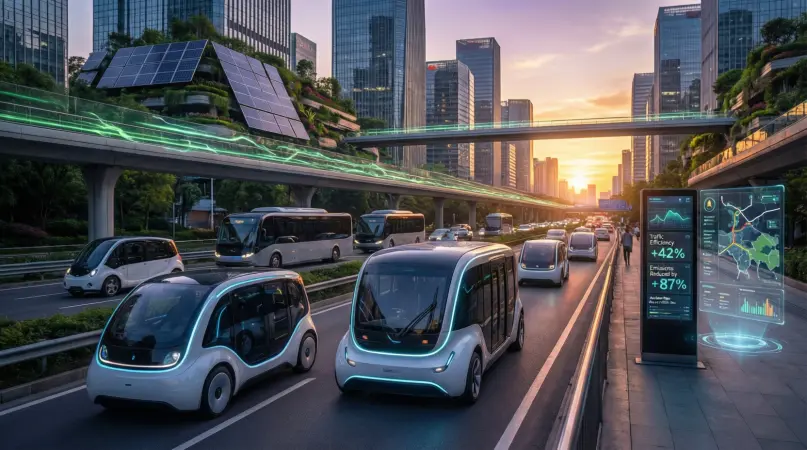
Traffic congestion is also a growing problem. Smart vehicles can communicate with each other and choose better routes. Over time, this could reduce traffic jams and save fuel.
Finally, there is the economic impact. New industries, jobs, and services are expected to grow around this technology. While some jobs may change, new opportunities will also appear.
Detailed Step-by-Step Guide
Step 1: Sensing the Environment
Autonomous vehicles begin by understanding their surroundings. They use cameras, radar, and sensors to collect data. These tools act like human eyes and ears.
The vehicle constantly scans the road, nearby objects, and weather conditions. This information is updated many times per second to ensure accuracy.
Step 2: Processing the Data
Next, the system processes all collected data. Powerful computers inside the vehicle analyze what is happening around it. They identify lanes, obstacles, and traffic signals.
This step is crucial because the vehicle must decide what is safe and what is not. Even small errors can lead to serious problems.
Step 3: Decision Making
Once the data is processed, the vehicle makes decisions. Should it slow down, change lanes, or stop? These decisions are based on rules, training data, and real time conditions.
For example, if a pedestrian steps onto the road, the vehicle decides to brake immediately. These choices happen faster than human reactions.
Step 4: Taking Action
After deciding, the vehicle takes action. It controls steering, acceleration, and braking. All movements are smooth and calculated.
This step repeats continuously during the drive. The system always monitors and adjusts to new situations.
Step 5: Learning and Improvement
Many autonomous systems are designed to learn over time. They improve by analyzing past experiences. Software updates also help fix issues and add features.
This learning process is a key part of making vehicles safer and more reliable in the long run.
Benefits of Autonomous Vehicles Future
- Improved road safety by reducing human errors
- Better mobility for elderly and disabled individuals
- Reduced traffic congestion through smarter routing
- Lower fuel consumption and emissions
- More productive travel time for passengers
- Consistent driving behavior in all conditions
- Support for smart city development
Disadvantages / Risks
- High development and maintenance costs
- Safety concerns during early adoption stages
- Potential job losses in driving related fields
- Ethical challenges in decision making
- Dependence on complex software systems
- Risk of technical failures or hacking
Common Mistakes to Avoid
Many people misunderstand this topic due to common mistakes. One mistake is assuming all self driving cars are already fully autonomous. In reality, most are still partially automated.
Another mistake is expecting instant results. The transition will take years and careful testing. Rushing deployment can increase risks.
Some also ignore the importance of regulations. Laws and standards are essential for safe use. Without them, confusion and accidents may increase.
Finally, people often overlook human responsibility. Even advanced systems need human oversight during early stages.
FAQs
What is the main goal of autonomous vehicles?
The main goal is to create safer, more efficient transportation by reducing human errors and improving traffic flow.
Are autonomous vehicles completely safe?
No system is completely safe. However, they aim to be safer than human drivers through consistent and fast reactions.
When will fully autonomous cars be common?
Widespread use may take several more years due to testing, regulations, and public trust issues.
Can autonomous vehicles handle bad weather?
They are improving, but heavy rain or snow can still be challenging for sensors and cameras.
Will self driving cars replace human drivers?
Some driving jobs may change, but new roles in technology and maintenance will appear.
How do these vehicles make ethical decisions?
They follow programmed rules and training data. This area is still being studied and improved.
Expert Tips & Bonus Points
Experts suggest focusing on gradual adoption rather than sudden change. Testing in controlled environments helps improve safety.
Public education is also important. When people understand how systems work, trust increases.
Governments should work closely with developers to create clear rules. This ensures innovation without compromising safety.
Finally, users should stay updated. Technology evolves quickly, and understanding updates helps people adapt smoothly.
Conclusion
The autonomous vehicles future represents a major shift in how society approaches transportation. While the idea of vehicles driving themselves once seemed unrealistic, it is now closer than ever. With ongoing research, testing, and investment, this technology continues to move forward steadily.
There are clear benefits, including improved safety, better accessibility, and reduced traffic stress. At the same time, challenges such as cost, ethics, and job impact must be addressed carefully. Balanced planning and responsible development are key to success.