
Introduction
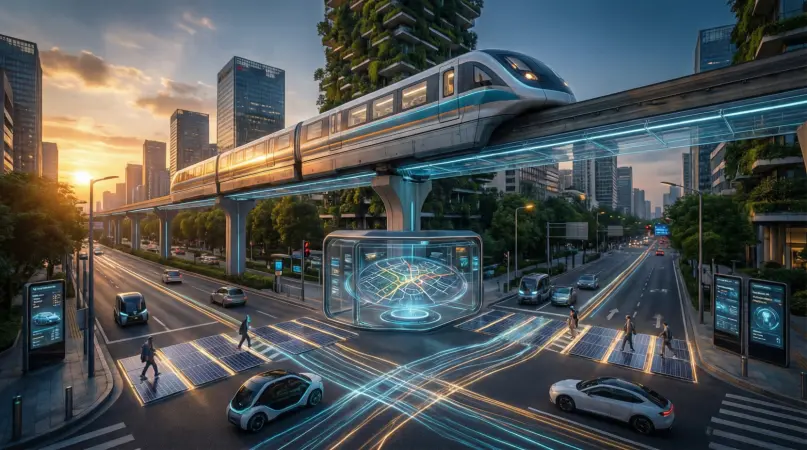
Smart transportation systems are changing how people and goods move from one place to another. Cities around the world are growing fast, and traditional transport methods can no longer handle increasing traffic, pollution, and safety issues. As a result, governments and planners are looking for smarter ways to manage roads, vehicles, and public transport. This is where smart transportation systems play a key role.
In simple terms, smart transportation systems use digital technology, data, and automation to improve how transportation works. They connect vehicles, roads, traffic lights, and users into one intelligent network. This helps reduce traffic jams, save time, lower fuel use, and make travel safer for everyone. From smart traffic signals to real-time public transport updates, these systems are already part of daily life in many cities.
For beginners and intermediate readers, understanding smart transportation systems is important because they affect daily travel, future jobs, and city planning. They also support environmental goals by reducing emissions and energy waste. As technology continues to improve, smart transportation systems will become even more common and more powerful.
This article explains smart transportation systems in clear and simple language. You will learn what they are, why they matter, how they work step by step, and their benefits and risks. By the end, you will have a complete understanding of this important topic and how it shapes the future of mobility.
What is Smart Transportation Systems?
Smart transportation systems refer to the use of advanced technologies to manage and improve transportation networks. These systems combine information technology, communication tools, and data analysis to make transportation more efficient and safer.
They include tools such as smart traffic lights, GPS-based navigation, automated toll collection, and connected vehicles. Sensors collect data from roads, vehicles, and users. This data is then analyzed to make better decisions in real time.
Smart transportation systems work across different transport modes. They support cars, buses, trains, bicycles, and even pedestrians. For example, a smart city may adjust traffic signals based on traffic flow or provide live bus arrival times through mobile apps.
The main goal of smart transportation systems is to create smoother, faster, and safer travel. Instead of reacting to problems after they happen, these systems predict issues and prevent them early. This proactive approach makes transportation more reliable and user-friendly.
Why is Smart Transportation Systems Important?
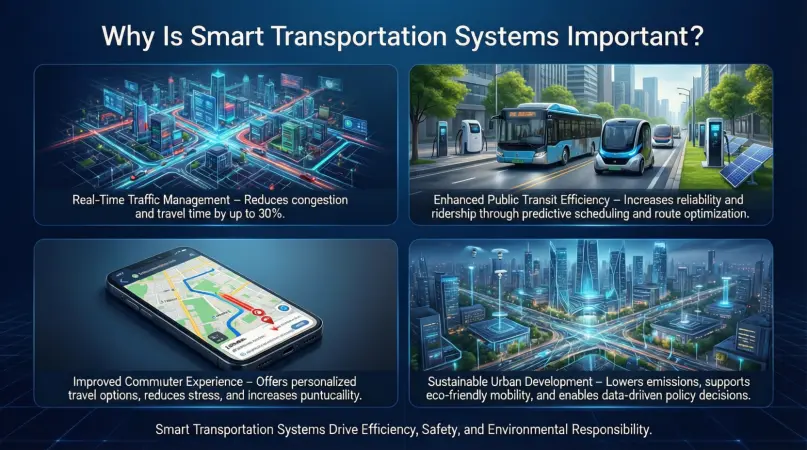
Smart transportation systems are important because transportation affects nearly every part of modern life. When transport systems fail, people lose time, businesses lose money, and pollution increases.
One major reason these systems matter is traffic congestion. Smart transportation systems help manage traffic flow by adjusting signals and suggesting better routes. This reduces delays and improves productivity.
Safety is another key reason. Accidents often happen due to human error or poor road management. Smart systems can warn drivers, control speed, and monitor dangerous areas. This saves lives and reduces injuries.
Environmental protection also makes these systems important. Efficient traffic management reduces fuel consumption and emissions. Public transport becomes more attractive when it is reliable and easy to use.
Finally, smart transportation systems support economic growth. They improve logistics, reduce delivery times, and attract investment. Cities with smart transport are more livable and competitive in the long term.
Detailed Step-by-Step Guide
Step 1: Data Collection
The first step in smart transportation systems is collecting data. Sensors, cameras, GPS devices, and mobile apps gather information about traffic speed, vehicle count, weather, and road conditions.
This data is collected continuously. For example, cameras count vehicles at intersections, while GPS devices track vehicle movement. The more accurate the data, the better the system performs.
Step 2: Data Transmission
After collection, data is transmitted through communication networks. These include wireless networks, mobile internet, and dedicated communication channels.
Fast and secure transmission is important. Delays or data loss can reduce system effectiveness. Modern systems use high-speed networks to ensure real-time updates.
Step 3: Data Processing and Analysis
Next, the collected data is processed using software platforms. Algorithms analyze patterns, predict congestion, and detect unusual events such as accidents.
For example, if traffic suddenly slows down, the system identifies the cause and suggests actions. This step turns raw data into useful information.
Step 4: Decision Making
Based on analysis, the system makes decisions. These may include changing traffic light timing, sending alerts to drivers, or adjusting public transport schedules.
Decisions can be automatic or supported by human operators. Automation helps respond faster, especially during peak hours or emergencies.
Step 5: Action and Control
In this step, the system takes action. Traffic lights change, messages appear on digital signs, and navigation apps update routes.
This direct control helps manage traffic flow and improve safety. For example, emergency vehicles may get green signals along their route.
Step 6: User Communication
Smart transportation systems also communicate with users. Mobile apps, dashboards, and signs provide real-time information.
Users receive updates about delays, alternative routes, and arrival times. This helps them make better travel choices.
Step 7: Continuous Improvement
Finally, the system learns and improves over time. Historical data is used to refine algorithms and strategies.
This continuous improvement ensures that smart transportation systems become more effective as conditions change.
Benefits of Smart Transportation Systems
- Reduced traffic congestion through better traffic management
- Improved road safety with real-time monitoring and alerts
- Lower fuel consumption and reduced emissions
- Better public transport reliability and user satisfaction
- Faster emergency response times
- Improved travel planning with real-time information
- Cost savings for governments and users
- Support for sustainable urban development
Disadvantages / Risks
- High initial setup and infrastructure costs
- Data privacy and security concerns
- Dependence on technology and networks
- Risk of system failures or cyber attacks
- Limited access in less developed areas
- Need for skilled workforce and maintenance
Common Mistakes to Avoid
One common mistake is focusing only on technology without proper planning. Smart transportation systems need clear goals and strategies to succeed.
Another mistake is ignoring user needs. Systems must be easy to use and accessible to all, including older adults and people with disabilities.
Poor data management is also a problem. Inaccurate or incomplete data leads to wrong decisions.
Some projects fail because of lack of coordination between agencies. Transport, police, and city planners must work together.
Finally, neglecting maintenance can reduce system performance. Regular updates and checks are essential.
FAQs
What are smart transportation systems used for?
Smart transportation systems are used to manage traffic, improve safety, and provide real-time travel information. They help reduce congestion and make transport more efficient.
Are smart transportation systems expensive?
They can be costly at the beginning due to technology and infrastructure needs. However, long-term savings often outweigh the initial investment.
Do smart transportation systems replace human workers?
They support human workers rather than replace them. Automation handles routine tasks, while humans manage planning and oversight.
How do smart transportation systems improve safety?
They monitor roads, detect risks, and provide warnings. Features like speed control and accident detection help prevent crashes.
Can small cities use smart transportation systems?
Yes, systems can be scaled to fit small cities. Even simple tools like smart signals and traffic apps provide benefits.
Are smart transportation systems environmentally friendly?
Yes, they reduce fuel use and emissions by improving traffic flow and encouraging public transport use.
Expert Tips & Bonus Points
Start with pilot projects before full deployment. This helps test systems and adjust plans.
Focus on data quality and security from the beginning. Trustworthy data is the foundation of smart transportation systems.
Engage the public through awareness campaigns. When users understand the benefits, adoption increases.
Plan for future growth by choosing flexible and scalable technologies.
Encourage collaboration between government, private companies, and researchers.
Conclusion
Smart transportation systems represent a major step forward in how societies manage mobility. As cities grow and transportation demands increase, traditional methods are no longer enough. By using data, communication, and automation, smart transportation systems create more efficient, safer, and cleaner transport networks.
These systems improve daily travel by reducing congestion, saving time, and enhancing safety. They also support environmental goals by lowering emissions and energy use. For governments and businesses, they offer economic benefits through better logistics and planning.